Fostering

Everyday, the Yarmouth Branch receives calls from the public requesting assistance with stray, abandoned or homeless animals. To help care for these animals, the shelter has a foster care program to help with the overflow.

The foster program will cover the cost of veterinary care, food, litter and anything else the animal requires. The role of a foster home is not to provide financial support, but rather to provide the love and patience the animal may need to regain their mental and physical health.

If you are thinking of becoming a foster parent, there are several things to consider before opening your home to a new friend. All members of your household should sit down together and discuss what fostering a pet would mean to everyone involved. If you have small children or other pets, you need to consider how it will affect them. Also, do you work long hours? Do you have a fenced in backyard? Do you live in an apartment and, if so, do you have your landlord's consent? Do you have the time and patience necessary to care for a young or sick animal?

When you become an approved foster parent, you can decide which type of animal will work best in your home environment. If it is a dog you are interested in, there are always opportunities to open your home to a young puppy or a dog with medical or behavioral issues that may benefit from a stable home environment and just needs some extra socialization and love in a home before they can be put up for adoption. Sometimes this is the biggest impact a foster home can provide in an animal's life.

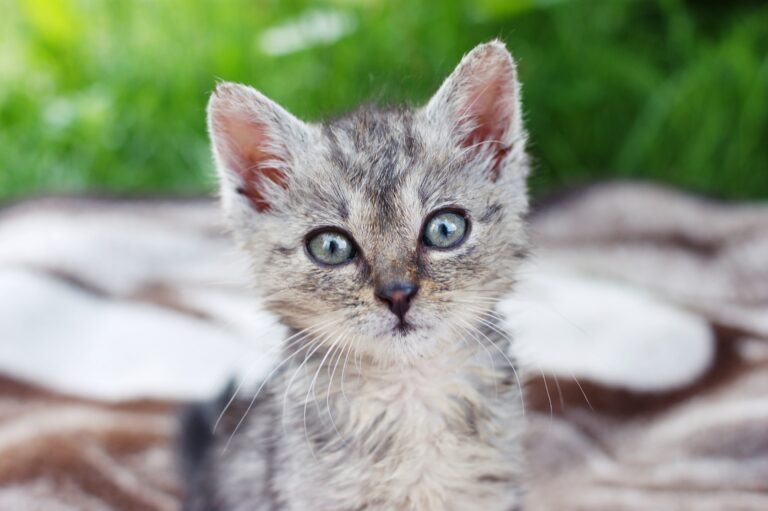
One of the most common foster examples is unwanted mothers with a litter of kittens. During the summer months, the number of homeless cats and kittens flooding the shelter soars. The demand on shelter resources is made even greater since many of the kittens that come to the shelter are too young to be adopted. Keeping kittens at the shelter for up to 8 weeks before they are old enough to be adopted ties up kennel space, staff and resources. A foster home provides kittens with a quieter, less stressful environment where they can grow into healthy cats. Opening your home and heart as a foster parent to an abandoned animal is a rewarding way to become a volunteer! Fostering is a fantastic opportunity to make a hands-on contribution to saving animals' lives.

Basic Requirements for Fostering Animals

  • Be at least 19 years of age.
  • Have your own animals must be up to date with their vaccinations.
  • Have the consent of your Landlord (where applicable).
  • Have the support of all other household members involved in fostering.
  • Have a suitable room to isolate the foster animal(s) from other household pets.
  • Have access to a vehicle to transport animal(s).
  • Be able to provide three (3) references.
  • Have a stable life situation.
  • Be dependable and reliable in carrying out your commitment.

To Apply

If you think you are ready to become a foster home, contact the shelter at This e-mail address is being protected from spambots. You need JavaScript enabled to view it. to get more information. You can expect to go through an application process to make sure you and your home are suited to fostering.

Click here to download the foster application.

Adoption - Help animals find a new home Find a Branch

donatevolunteerreport

Newsletter Signup