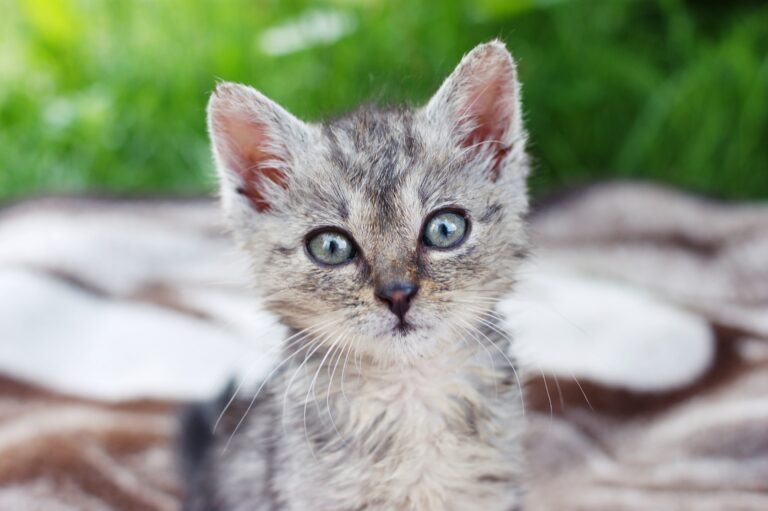
Feral CatsThe Nova Scotia SPCA believes ignoring the feral cat problem is inhumane. The Nova Scotia SPCA advocates the humane treatment of all cats including those that are stray and those that have become feral. A “feral” cat is one that has never had contact with humans and that is the offspring of abandoned or unaltered free-roaming cats. Feral cats are at least one generation removed from domestication and, therefore, if not sufficiently socialized with humans by a certain age - typically 6 weeks old - may not suitable candidates for adoption. Recognizing the over-population crisis of companion animals in the Nova Scotia, the Nova Scotia SPCA supports public and private humane efforts in controlling feral cat colonies and their population. The Nova Scotia SPCA believes that being proactive is the solution. Because feral cats are the end result of owned (or once owned) pets that were not spayed or neutered, unsterilized cats directly contribute to the overpopulation of cats. As a community-generated problem, we feel the responsibility is on all pet owners to have their pet spayed or neutered. The Nova Scotia SPCA believes that successful management of the feral cat population can be done through Trap-Neuter-Return (TNR) Population Control Programs. The objective of Trap-Neuter-Return is to gradually eliminate colonies by a process of “aging out." Feral cats are humanely trapped, tested for infectious disease, vaccinated, neutered and then returned to their colony. Kittens that are within the critical window for domestication are removed, socialized and adopted. Returning the sterilized cat to its colony is crucial to reducing the colony size as new members will not join a feral cat colony with a stable number of neutered cats. Trap-Neuter-Return Population Control Programs maintain the colony in a healthy and secure state leading up to the eventual attrition of members. The Nova Scotia SPCA believes that NOT feeding feral cats is NOT the solution because starving cats will still mate. Concerned residents who are interested in providing food for or managing colonies are encouraged to seek advice from local feral cat rescue groups or shelters. Recommended Websites:
|
|